Eating In Season: Winter Edition

We’ve said it once, and we’re here to say it again. Eating in season is so good for us and a great way to make your home healthier and more sustainable. 

As we’ve learned from the people willing to trade their law degree to become a chicken farmer, eating in season will save you money because produce in bountiful supply doesn’t cost as much as a new Tesla. Yikes. 
Eating in season winter

Environmental Benefits of Eating In Season

Eating in season supports the environment by lowering the gasses emitted to grow and transport our food. It takes a lot of energy to grow and harvest food that wouldn’t naturally be growing at a certain time of year. 

Long before we could just walk into a grocery store and buy whatever fruit or vegetable we wanted, humans were forced to eat what could be locally sourced and grown. This is why eating according to the season helps support local farmers

Check your labels to be sure your produce is coming as close to home as possible. The less your food travels to your plate, the better for the environment and you.

Physiological Benefits of Eating In Season

I was shocked to learn that foods lose their nutritional value the longer they travel and sit on a store shelf. One study found that leafy greens lost almost 50% of their original vitamin C after transport, storage, and 3 days of sitting on the grocery store shelf. Eaks!

It’s so disheartening to think of the time and energy I have invested in getting my family to eat their veggies, only to learn maybe they weren’t as nutrient-rich as I may have thought. The good news is that foods that are grown closer to home are not only healthier but actually taste better too.

Our bodies actually need different nutrients at different times of the year, which also correlate with foods grown at that time of the year. It’s also a fun way to get out of the rut of making the same things over and over again. 

Switch up your rotating menu with winter favorites like soups, morning porridges, and root veggies to boost your immunity during the classic sick months.

Winter Seasonal Foods

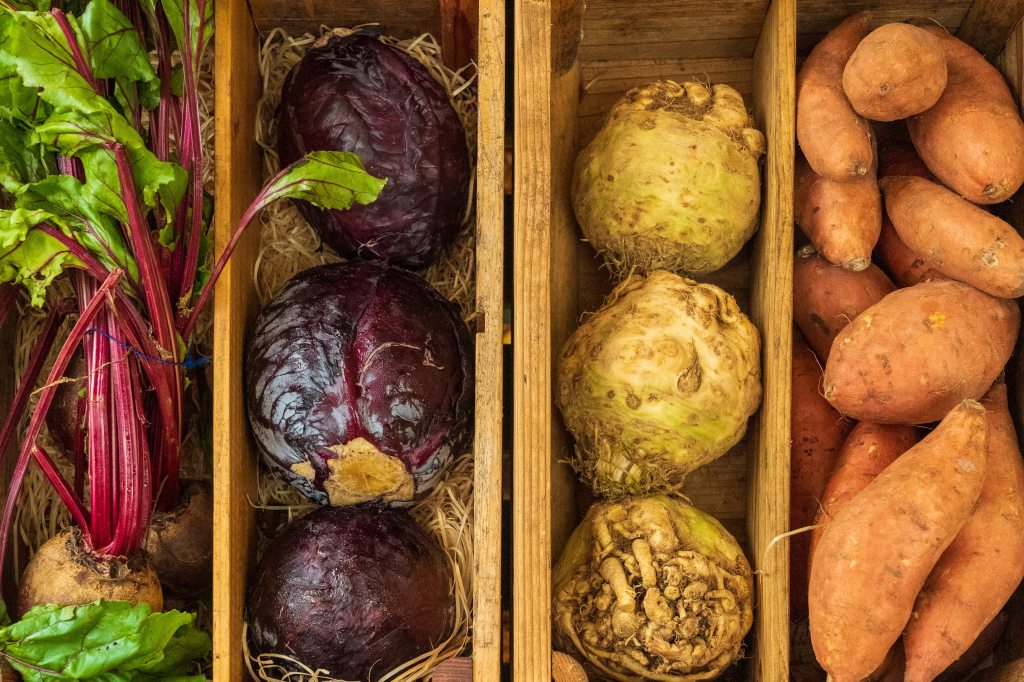
We often associate winter foods with the holidays, but there are lots of other delicious winter meals worth making after the holidays have passed. Most of these winter vegetables are often ingredients included in warming soups and cozy comfort foods. Winter is best for eating vegetables like:

  • Potatoes
  • Carrots
  • Brussel sprouts
  • Cabbage 
  • Kale
  • Pumpkin

Winter is also a good time for fruits. Just because it’s chilly, don’t discount some citrusy favorites. Winter is the time to eat fruits like:

  • Apples
  • Bananas
  • Grapefruit
  • Pineapples
  • Pears
  • Kiwi

Guides like this one are great resources for learning what foods are specific to each season. The Farmers Almanac is a long trusted source on planting calendars and offers guidance for eating in season all year long.  

Favorite In-Season Winter Recipes 

These are a couple of my favorite winter meals featuring in-season ingredients. 

This Gnocchi with Spinach and Chicken Sausage is delicious and quick for a weeknight dinner. Gnocchi is shelf stable, and sausage is more shelf stable than other meats and can be frozen for freshness, making this recipe easy to keep ingredients on hand for. 

Pressure cookers are a gift from the kitchen gods, am I right, or am I right? This scrumptious Pressure Cooker-Saucy Italian Chicken packs lots of flavor with minimal ingredients.

Coming in at ‘almost as easy as the pressure cooker’ oven bake casserole recipe, try this Loaded Cauliflower Casserole recipe. With a little cheddar cheese and bacon, it’s sure to please the range of palates in the family. Bacon can be omitted to make this a vegetarian meal. In this case consider adding in some nutritional yeast which brings nutritional benefits and will blend well with the cheddar

Winter invites us to cozy up with our people and snuggle in with some of our favorite winter dishes. 

What are some of your favorite winter recipes? 
Do Eco-Friendly Cleaners Work?

A new year triggers fresh ideas and new routines. Today we’re helping you discover revamping your home routines to reduce chemicals harmful to your family and hard on the earth. 

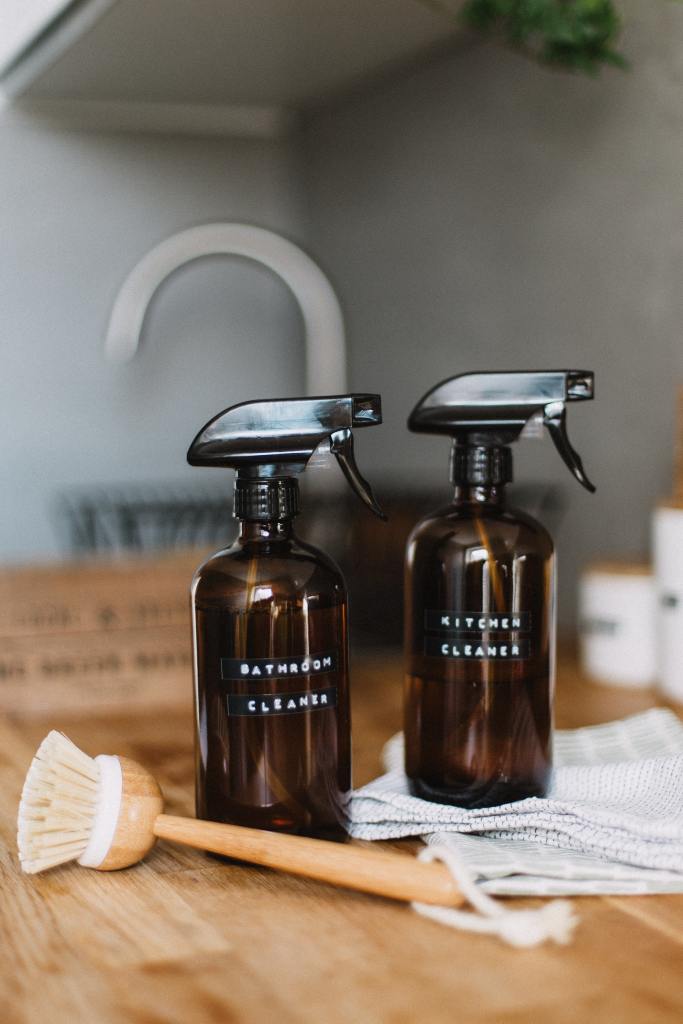
Our day-to-day cleaning supplies are a great place to start, and the good news is we have some easy, eco-friendly cleaner swaps here. As a bonus, you can make these at home if you like which can save money and bring peace of mind. Do you feel me on liking to know what’s in your products?

Do Natural Cleaners Work?

In a word, yes.

Natural ingredients such as vinegar, lemon, vodka, and hydrogen peroxide tackle everyday grime and can keep your home spick and span by killing bacteria, disinfecting, and removing mold and mildew. Natural cleaners often work better than or just as well as the harsh chemicals type of cleaning products.

A non-toxic eco-friendly cleaner is better for your home, family, and the environment

It is important to understand that the sanitizing and degreasing abilities of a natural product depend on its ingredients. For example, baking soda works as a natural degreaser. I love using this in my sink to gently but effectively remove grime. But, baking soda will not disinfect a surface like other natural ingredients like citric acid. And, yes, citric acid is a fancy way of saying the good stuff you find in citrus like lemons.

Easy rules of thumb- vinegar or lemon juice can clean surfaces and act as a good multi-purpose cleaner. Baking soda works as a degreaser and odor reducer. Rubbing alcohol (same as isopropyl alcohol but slightly watered down) has anti-bacterial properties. And, hydrogen peroxide is another option for a sanitizer.

DIY Eco-Friendly Multi-Purpose Cleaner

Making your own multi-purpose is simple. You should feel good about knowing what’s actually in your cleaner and being able to pronounce all the words on the ingredient list.

Here is a simple recipe for an all-purpose cleaner that you can make at home:

Ingredients:

2 cups water

1/2 cup white vinegar

1/4 cup baking soda

2 tablespoons lemon juice

20 drops essential oil (optional)

Instructions:

Combine all ingredients in a spray bottle. Shake well to mix.

Instead of using lemon juice I used some old rinds for the same effect. In this case, let the vinegar and lemons sit for a few weeks and then strain out the liquid. You’ll want to add water to cut the vinegar and lemon. Check out a quick tutorial below:

@thehomesustainable

Orange peels, pine, and vinegar for a #diy all-purpose cleaner! Strain out oranges/pine and compost. Trying something new, how’d I do? #momsoftiktok #ecomom #toddlermom #sustainable #sustainability #momlife #momsover30 #ecofriendlyliving #sustainableliving #plasticfree #ecofriendly #diycleaning

♬ Gorgeous – Taylor Swift

Use as you would any commercial all-purpose cleaner.

This cleaner effectively cuts through grease and dirt and can be used on various surfaces, including counters, appliances, and tiles. The essential oil adds a pleasant scent, but it is optional. You can use any essential oil that you like or omit it altogether.

It’s that simple. It’s affordable and convenient, and I bet you have all of this in your kitchen right now. Just grab an empty spray bottle and get to work.

Highly Recommended Non-Toxic Cleaning Brands

Let’s face it. Some of us were not made for the DIY life. If mixing your own multi-purpose cleaner isn’t your thing, not to fear; there are lots of other good options on the market. 

Sal Suds is like the Dionne Sanders of cleaning; it does everything. I dilute it with water to wash dishes in the sink. Check out how easy it is below. You can also dilute it in a spray bottle to use as a multi-purpose cleaner or use it to wash clothing. It’s the real MVP!

@thehomesustainable

Great kitchen sustianable swap! No more soap residue taste. Better ingredients. Still soapy. Win. Check out Sal Suds as a great refill option for your dish soap among other things. A couple of tablespoons cut with water. Easy! #ecofriendly #ecomom #sustainability #sustainableliving #sustainablehome #kitchenhacks

♬ –

Castile soap is similar to Sal Suds. It is made from olive oil and named after the Spanish province where it was invented. Castile soap is typically diluted depending on the purpose and works by binding itself to dirt, germs, and grease. Castile soap is an example of a natural ingredient that is as effective as its chemical counterparts. And, while Sal Suds is not something you can/are recommended to use on the body, Castile soap can be used as a body/face/hair wash (hello olive oil). It works on animals too! People love how gentle Castile Soap is on the skin.

Here are a few other options for companies that have done their research. Non-toxic cleaners and lovely packaging. These brands hit all the high notes for those who love aesthetically pleasing products that work:

Bottle Refill Option & Eco-Friendly Cleaner

One small way to reduce single-use plastics in your home is by investing in glass or sturdy plastic bottles to refill. Along those lines, if you missed our Sustainable Swaps: Kitchen edition, check it out here. These brands provide multi-purpose cleaning refills that are effective and sustainable:

Using sustainable cleaning products has always been important to me, but with a little one running around putting his mouth on, well, everything, it’s become more important than ever. 

I’d love to hear other non-toxic cleaning supply recipes. Do you have one to share? 

The Best Types of Non-Toxic Candles

If the long, dark, gloomy winter days have you stuck suffering from the winter blues, you are not alone. Candles have been an age-old way of boosting your mood to embrace the cozy winter season.

Candles are a great way to add ambiance and fragrance to a room, but traditional candles can release potentially harmful toxins into the air, especially for those with allergies, asthma, or other respiratory issues. Eaks! If you’re like me, you are always thinking about what’s healthy and what’s harmful to you and your family.

choose non-toxic candles for your home to have a healthier and more eco-friendly home

Thankfully, there are now options for non-toxic candles that can provide all of the benefits of traditional candles without the negative side effects.

What Makes A Candle Toxic?

Candles can be toxic if they are made with certain materials or ingredients. Here are a few ingredients to steer clear of.

Paraffin wax is the most commonly used candle material and can emit potentially hazardous chemicals into the air when burned. Paraffin is a petroleum waste product that creates highly toxic benzene and toluene when burned. 

Other ingredients to be wary of are lead, fragrance, and dyes. It’s best to check the candle’s label carefully before buying to ensure it is made with non-toxic materials and has no artificial fragrances or chemicals. 

Soy wax and beeswax are better alternatives as they produce fewer toxins.

The Best Non-Toxic Candles

If you’re looking for non-toxic candles, there are several options available.

You can find petroleum-free, paraffin-free, and 100% natural soy wax candles from many online retailers. Soy wax is a natural, renewable resource that is biodegradable and produces very little soot when burned. Soy wax candles also burn longer than other types of wax, so they are a more economical choice.

Amazon has a few options like this coconut wax, wood wick candle that plants a tree with every candle purchase. I also absolutely love Siblings candles. All their candles are non-toxic, and provide refill kits to refill all your favorite vessels.

Another option is beeswax candles like these adorable taper handmade candles. Beeswax is a natural wax produced by bees and has several benefits. It is hypoallergenic and non-toxic, making it a great choice for those with allergies or sensitivities. Beeswax candles also burn longer and produce a brighter flame than other types of candles. In addition, beeswax candles have a natural, honey-like scent that is subtle and not overpowering.

Essential oil candles are another non-toxic option. These candles are made with a base of soy wax or beeswax and are infused with essential oils for fragrance. Essential oils are natural plant extracts that have a variety of therapeutic benefits. When burned in a candle, the essential oils are released into the air, providing both fragrance and therapeutic benefits.

Candle Alternatives

There are many alternatives to candles to create a warm and inviting atmosphere in your home. You could try using string lights, lanterns, or oil diffusers. String lights give a warm and cozy feel and can be hung around windows or doorways. Lanterns come in various shapes and sizes and can be placed on a shelf or tabletop. Oil diffusers are a great way to add a pleasant scent to your home while creating a calming ambiance. I love this Thymes diffuser; it makes my house smell like a pine forest. 

A diffuser is another great option besides a non-toxic candle to have healthy and good smelling air in your home.

Non-toxic candles are a great alternative to traditional candles and can provide all of the benefits without the negative side effects. Whether you choose soy wax, beeswax, essential oil candles, or some candle alternative, there are plenty of options to choose from that will invite all warmth and cozy comfort to embrace the winter season.

What are your favorite ways to invite winter and enjoy the cold season? 

Finding Non-Toxic Cookware That Works

Much of the drive for eco-conscious living is for investing in products and practices that are genuinely better for the earth. It’s leaving things a little better than we found them and preserving something good for the generations ahead. 

It’s also about choosing a better lifestyle, healthier living, and cleaner products that we feel good about incorporating into our family’s routines. 

I love gathering my family and friends around a good meal, incorporating in-season produce, and supporting my local food producers however I can. Recently I’ve been evaluating my cookware and realizing some of my tools are not on the up and up, becoming potentially toxic to my people and the environment. 

family making breakfast in the kitchen with non-toxic cookware

Today let’s talk about cookware that is good for us and our earth. 

What’s So Bad About Teflon?

Teflon had been around since the ’40s. However, it became a recognized household item in the ’60s. It was the first of its kind and was the best thing since, well, dinner sticking to a pan. It offered an easy-to-clean and easy-to-use convenience for cooking at home. 

This convenience had a cost, as it was later linked to birth defects, stillborn births, and nervous system development abnormalities. It was phased out of the US starting in 2003 and eliminated by 2014. 

The formula was changed and re-integrated in 2013, making it safer to use. However, there is still a risk in using this type of cookware at high temperatures. It will eventually break down, introducing toxic gasses to the environment and your food. It’s also difficult to dispose of. Once tossed into a landfill, the earth is left to absorb its toxic chemicals and gasses. Teflon is not biodegradable to humans or the ground and can only be used for around 5 years.

But not to worry. There are a few other better, more sustainable options you can incorporate into your kitchen that will last longer and provide non-stick cooking.

Stainless Steel Cookware

This beautiful shiny option makes one feel very professional. I’m basically Top Chef, right?!

non-toxic cookware stainless steel pot

Stainless steel pots and pans can be used for up to ten years, are almost indestructible, and provide non-stick cooking when used correctly.

Thanks to TikTok, I finally learned how to use these pans! The trick is to get the pan warmed up before cooking and test it with drops of water (before oil). If the water sizzles, it’s not ready. You’re ready to cook if the water balls up and runs around the pan.

While it is more sustainable, a healthier alternative to Teflon, and pretty affordable, stainless steel pots and pans can be finicky and tricky to get the hang of. 

Ceramic Pots and Pans

Ceramic cookware is an excellent choice for cooking thanks to its many benefits. It’s non-toxic and free of harmful chemicals, making it a healthier option than other cookware materials. It’s also lightweight, easy to clean, and conducts heat evenly, so food cooks quickly and even throughout. Kinda like teflon without the teflon!

While Ceramic pans require hand washing to maintain their life and have a shorter lifespan than stainless steel, they still feel more approachable to me personally. I just purchased a few daily-use ceramic pans, like my egg frying pan. I ordered the duo by GreenPan off amazon. *Remember, make your online purchases eco-friendly by choosing the slowest shipping option.

Non-Toxic Cookware Options

There are many great brands of non-toxic cookware available on the market. Some of the top-rated options include: 

  • GreenPan
  • Cuisinart Ceramica
  • Scanpan
  • Caraway
  • Xtrema Ceramic Cookware
  • Ozeri

These brands are designed with non-toxic materials and are free from PFOA, PFAS, lead, and cadmium. Additionally, many of these brands offer a variety of cookware items such as pots, pans, skillets, casserole dishes, and more. 

I’m the first to admit in a fast-paced world, it’s easy to let convenience damper our eco-living goals and ideas. It’s my dream and passion to provide convenient and practical eco-living tips and products that benefit your family and lifestyle. 

As we embark on a new year and organize every inch of our homes, set new goals and intentions, and incorporate new products and rhythms into our lives, I hope this space will provide helpful guidance in living a more sustainable, eco-conscious life. Let me know if there are specific topics you would like covered.

What new rhythms are you incorporating into your family this new year?

Zero-Waste Lunch How-To for Your Toddler

I don’t know about you but packing lunches is one of the easiest times to get lazy with my sustainable living ideas and any commitment to healthy eating and living. I’m either packing them in the morning, rushing out the door, or if I’m really on my game, after a long day, tired and longing for the couch, a good episode of Emily in Paris (yay for new episodes!), and a loong cup of tea (or wine). 

Having a few ideas in mind has made it easier to pack a lunch that’s as healthy for my toddler as it is for the environment. Here are a few tips to get you started on packing a zero-waste lunch for your kiddos.

Pack Everything in a Reusable Lunch Bag

This is your chance to infuse some fun by finding a lunchbox with your toddler’s fave… like Thomas the Train in our case. Look for lunch boxes made from sustainable materials like bamboo, stainless steel, and recycled materials.

Pack sandwiches in reusable wraps, and put other sides and snacks in glass storage containers like this one

If your toddler is anything like mine they love Uncrustables. I bought a set of these sandwich cutters and sealers to make their favorite sandwiches, crust free, without the waste each individually wrapped sandwich comes with. 

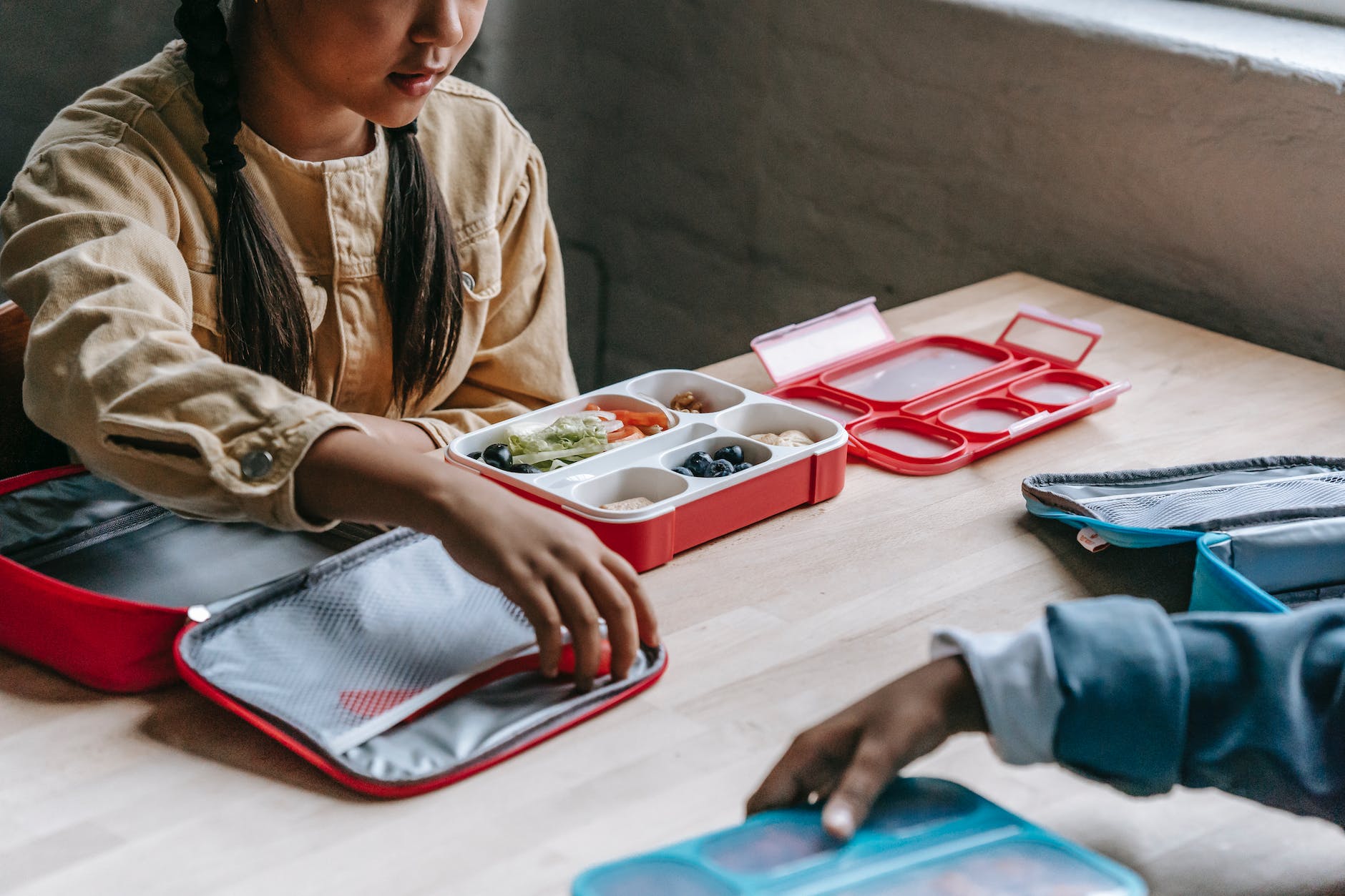
Bento boxes are another great option. This Bentgo box is all the things. It has five leakproof compartments, are BPA-free, and is dishwasher safe. These little compartments make it easy to pack foods that don’t require single-use packaging, like cut-up veggies, fruits, nuts, seeds, or sandwiches. 

pack lunches in reusable lunchboxes for a zero-waste lunch

They can even handle wet foods like yogurt or applesauce, which has helped me switch from single-use pouches of yogurt and applesauce to larger jars—saving money and lots and lots of single-use plastic pouches.

Include a Reusable Water Bottle or Thermos for Drinks

I love, love, love these BPA-free, recycled plastic, dishwasher-safe, no-spill sippy cups. These things are so well made. The tops never break even with a toddler gnawing on them all day.

Switching to a reusable water bottle or thermos saves you money. This switch also reduces the single-use plastic carbon footprint on the environment. Win-win.

Pack Snacks in Reusable Bags and Pouches

This is a small trade for a big impact. Using reusable plastic baggies reduces pollution in our forests and oceans, saves on the energy it takes to make these bags, saves money, and reduces the individually packaged snacks you purchase. 

I’ve made a habit of buying snacks like dried fruit, trail mix, or crackers in bulk to send in a reusable baggie like this one. Homemade granola, energy bites, and granola bars are great snack options for these bags. 

pack homemade granola bars in a reusable plastic bag for a zero-waste lunch

Start your reusable baggie collection by purchasing a variety of sizes. They are super easy to clean. Just throw them in the top rack of the dishwasher or wash them by hand easy-breezy. 

A Few Last Ideas for a Zero-Waste Lunch

Here are a few items to include (and cut) from your lunch packing to reduce your family’s carbon footprint and work towards a zero-waste lunch. 

  • Use reusable cutlery instead of single-use plastic forks, spoons, and knives
  • Pack reusable ice packs 
  • Include a cloth napkin instead of a disposable one
  • Skip using a straw, or use a reusable one
  • Pack your own dips instead of relying on single-use packets

After becoming a mom, I realized how important it is to be mindful of our consumption. Toddlers can feel like black holes for wasting food and resources. So much of what is designed for them makes it more convenient but also more wasteful. Having eco-conscious tips top of mind has made it easier for me to infuse sustainable living habits into our family’s routine. 

Let’s pack lunch together on TikTok. You can watch me use several of the items I listed above. And, you can see just how much my toddler can chew a sippy cup, ole! 

Yes, hi, that’s me. In all of my ‘just woke up and packing lunch to get out the door’ glory 🙂

Last minute gifts? Gift a New Experience This Year

Last minute gifts? Yeaaaaaa. This one is for the people left at procrastination station, whoops! The ones whose family has been sick nonstop (hand raised), the ones who have been doing everything and still have everything to do, and the ones that could just never seem to find that perfect gift. 

This is for you.

The good news is these last minute gifts also make for pretty eco-friendly gift giving!

Gifting experiences are something I have come to love. Forget amazon next day. Not only is gifting an experience a great last-minute gift, but it also keeps giving and provides moments to live in with the ones we love. And, it usually supports a local business which is just the best. Here’s a roundup of a few of my favorite experiences to give.

Experiences to Gift the Adults

Candle Making. When I lived in Boise, I did candle-making with some gal friends, and it was such a blast. And I have a delicious-smelling candle I have enjoyed for the last year. Look for something like this in your local area for a good time and to support a small business.
-Local brewery, winery, or distillery tasting and tour
-Activity classes like pottery making or bouquet arranging
-Tickets to a local theater or comedy club
-Lessons, like cooking lessons or learning a new instrument
-A membership to a gym or wellness studio
-Book a night at a hotel or spa
-Give a subscription box like a monthly whiskey-tasting experience. There are non-alcohol options too like Monday
-A kit, like a garden starting kit
-Offer free babysitting and gift the gift of free time

Experiences to Gift the Kids

last minute gifts for kids? Consider a pass to a local zoo or aquarium


-Local Zoo or Aquarium membership or day pass
-Tickets to a local kid’s museum or science center
-Movie passes or tickets to a local children’s theater 
-An afternoon date to the movies or park
-Getting mani/pedi together
-Amusement park passes
-Lessons like swimming, golf, or art
-A kid’s subscription box like Kiwi Co  or Lovevery
-A reading subscription box like Bookroo, Literati, or Lillypost
-Book a holiday or summer camp
-Tickets to a sports game 

Budget Friendly Experience Gift Ideas

Quality time together doesn’t have to cost a lot or break the bank. Try these ideas to gift something meaningful and affordable.

Last minute gifts? Give the gift of time this year. Plan a road trip day to get away and see something new.

-Movie night basket with snacks and goodies
-Day trip road trip, no reservations necessary, just a day of wandering and exploring some place new. The gift of time can be the best gift!
-Scrapbooking kit, you provide the photos 
-Prompt journal
-Scavenger hunt 
-Provide a homemade meal kit for them to make 
-Offer to spend a weekend afternoon helping organize and make their kitchen, bathroom, or laundry room more sustainable with the swap ideas from this blog!

Lux Experience Gift Ideas

A touch of lux never hurt anybody. Gift something incredibly magical and memorable you can experience together. 

-Plan or book a trip
-Hire a home designer for a room in their home
-Book a photoshoot for their family
-Find a unique guided tour, like hiring a boat for the day or renting mopeds 
-Schedule a limo or lux car for a fancy date or fun night out together
-Hire a chef to cook a fancy dinner on site (I want this, husband take note)

Experiences are not only sustainable but intentional, meaningful, and memorable. You may be thinking last minute gifts won’t be cool, but you’ve got this, 4 days left until Christmas and 16 days in the holiday season (remember the 12 days of Christmas are AFTER Christmas… this also gives you a totally reasonable excuse for a slightly late gift if you’re needing some extra time). Enjoy the magic, take time to be together, give yourself time to rest, and truly enjoy.

What transitions and experiences do you treasure most each year?

Every Dirty Detail on Composting to Reduce Food Waste

Tis’ the season of giving thanks! I am thankful for you and your zest for sustainable swaps in your home. Today I want to talk about another swap that packs a big punch- composting!

We talked about the importance of reducing food waste in our Home Tours Kitchen post …. now let’s unearth the dirty work, composting!

As we cuddle close and gather those we care about into our home around good food and even better drinks, there’s sure to be leftovers.

IMHO holiday leftovers are some of the best. But as good as they are, they also come with lots of waste. And it’s like goooooood waste. Carrots, celery, and sweet potatoes are gold to compost and turn back into nutrient-rich soil for new growth.

While there are several ways to be intentional with meal planning and freezing meals to reduce your food waste, inevitably, we will have things left over. So let’s dig into all the stink, stank, stunk parts of composting. 

composting in the backyard

Why is Composting Important?

When food breaks down in the landfill, it is covered and lacks oxygen as part of the decomposition process. As a result, it releases methane which is a more potent greenhouse gas than carbon dioxide. Yikes!

What Can I Compost? 

Simply put, anything that comes from the earth. Think fruits, veggies, coffee grounds, filters (paper!), leaves, and cut flowers. You can also include eggshells.

You can compost carbs like pasta and bread- but this depends on HOW you compost.

How Can I Compost? 

There are several ways to compost, it’s most important to figure out what is most sustainable for you, your lifestyle, and your space. 

1. Check Your Local Greens Waste Collection

This is the absolute easiest way to compost! You can put your compost-type waste in your local green bin collection. This option may only be available in some places, but if it is an option where you live-take advantage of it. Composting was so easy when we lived in Boise, ID, and I know CA is making a push in this direction. 

Research a composting collection service in your area. Many areas have a service that will take care of your food waste for you for a small fee. All you have to do is collect your food waste. A quick google search will let you know if there’s something in your area.

Snap an aesthetically pleasing countertop bin like this one [LINK TO PRODUCT] to make it accessible and super simple. 

2. Explore Your Local Farmers Market

Some Farmers Markets will have a compost collection as they did when we lived in Washington, DC. Collect food waste in green compostable bags on your countertop collector, then freeze bags until drop-off time. No smell. Simple steps. And good motivation to head to your farmers market and shop local.

3. DIY Composting

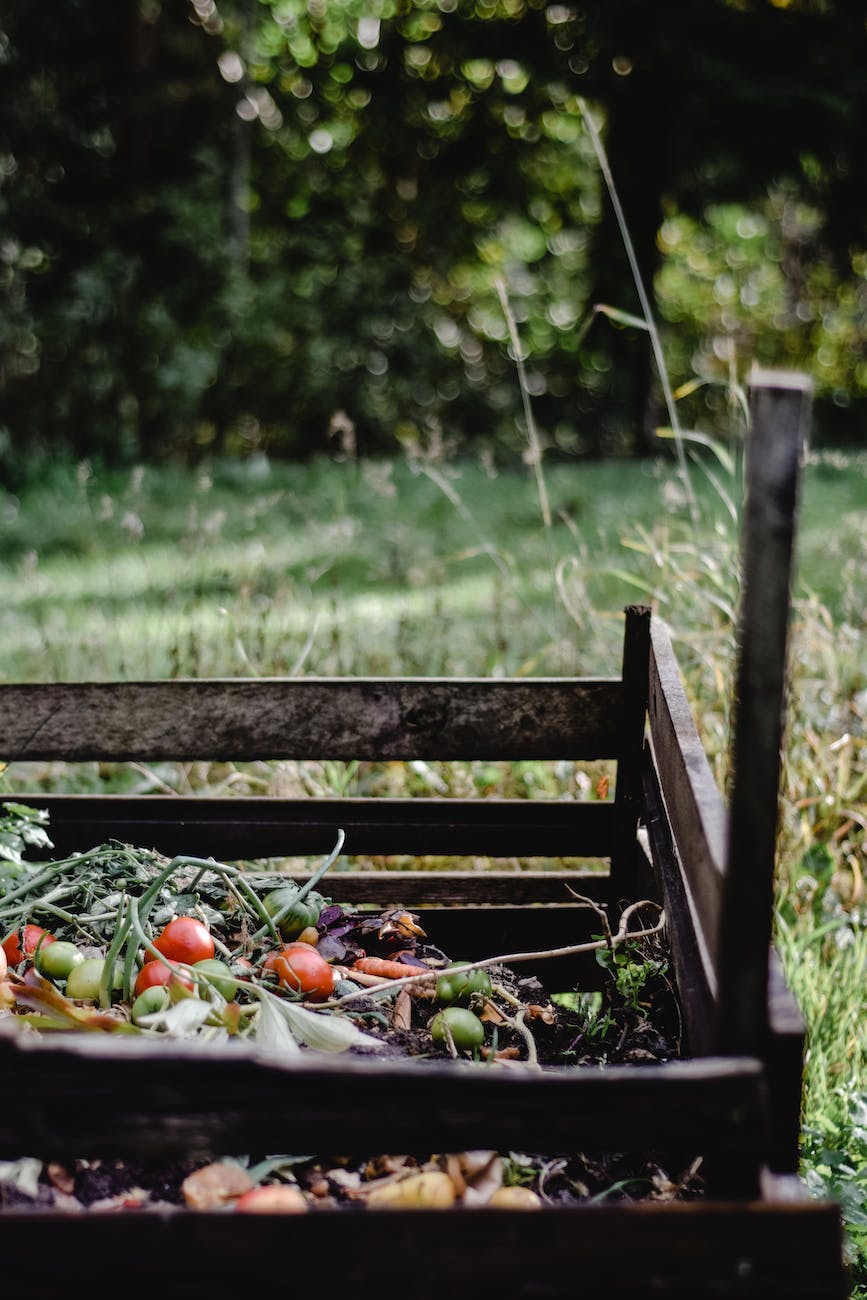
This is for the ones that like to get their hands a little dirty. There are a few options. Pile waste with leaves and yard waste in a black bin or backyard. Keep adding food waste to the bin or pile and turn with a shovel or turn the black bin (which adds oxygen to the process). Avoid carbs to deter mice and critters.

If you have a smaller backyard, the black bin is perfect. If you live on a space of land and can put the compost pile away from your home, the pile option is pretty darn simple and low cost.

While this is a simple way to make your own nutrient-rich soil, this process takes months and months. Food decomposes naturally, which takes a while, so this is not a quick turn.

Another option for small spaces is the ‘Bokashi’ method which utilizes fermentation. This process can be very compact and efficient for those looking to dip their toe in things.

DIY Quick Composting Tips and Tricks

  1. Use a black bin. I purchased this black bin. It works well and took about one hour for two adults to assemble. Turn every 3-4 days to distribute oxygen evenly. Consider using a compost starter or accelerator to aid the process.
  2. This Bokashi utilizes fermentation to speed the decomposition process. I have yet to try this method, but you can have fresh compost to use within a month. And this system is compact and can be done inside if you don’t have backyard space.
  3. Add water as needed. If your organic material is having difficulty breaking down, it may be too dry. Add water or moisture-rich foods. Compost too soggy? Add some carbon-rich items like coffee filters or tea bags to balance things. 

This is a lifestyle the entire family can contribute to. It’s fun for little hands and minds to get a little dirt under their nails and learn about our food system. 

Have you tried composting? What other questions do you have about getting started? 

Sustainable Living Home Tour: Kitchen Edition

The kitchen is the heart of your home. It’s where you gather as a family, invite friends for meals, and bust out your very best dance moves. It is also a great place to introduce sustainable living ideas for a more eco friendly kitchen.

Between all the meal prep and dishwashing, it’s also an easy place to pile up single-use plastics. 

A few quick cures to reduce plastic use:

  • Replace single-use bags with reusable ones. Stasher bags are beloved by all
  • Substitute disposable water bottles with reusable ones. The Stanley Cup is having its moment just like the Klean Kanteen before it. FWIW, don’t fall for the trends, get what you like and will use. There are so many great bottles in this category
  • Swap plastic straws for metal or reusable ones
  • Ditch the paper plates, plastic flatware, and plastic cups for reusable options
  • Store reusable shopping bags in your car for easy access, and cut down on single use plastic grocery bags

Whew, just those choices alone will significantly cut down on plastic waste. If your palms are getting sweaty and your head a little spinny, choose one or two to implement first and build from there. 

How to Recycle

The kitchen is a great place to focus on recycling. But, it’s hard to know what to recycle and what’s trash. For example, cereal boxes recycle but the plastic bag holding the cereal does not. Ugh!

And, it’s important to get recycling right. If we put items in that don’t recycle, like soiled items, we can end up contaminating a whole batch of otherwise good material.

Do a quick google search and find your city/county guidelines for recycling. This information is easy to find, promise. Some Home Sustainable good rules of thumb:

  • Cardboard recycles unless it is contaminated by something like grease (I see you pizza box)
  • Glass generally DOES NOT go in curbside pickup anymore. Glass was breaking and making it hard to recycle other things like paper covered with chards of glass. Do you best to wash out the container, store with other glass (aka my collection of wine bottles), and then find a glass specific drop off. I also like keeping glass for pantry or food storage. Yay reuse
  • Plastic recycles…. sometimes. Why couldn’t it be easy? Check the bottom of the plastic bottle or container and note the recycle number. The higher the better, so number 1 should be accepted in all recycle spots. Again, check your local requirements for which numbers they accept. On theme, plastic has to be mostly clean. I like to let some water sit in my container and then wipe out loosened food. But, let’s be honest, this is not happening with the peanut butter jar. Make peace and throw the PB container in the trash
  • Metal cans are often accepted in curbside recycling. Same note as above, these have to be mostly clean so let some water soak the remaining food/sauce/juice/etc

While all those eco-friendly kitchen swaps will help your home to become more sustainable, this is a big one. Especially for those of us running households with little Mr. and Ms. “I don’t like it” (even though you loved it yesterday) and “I’m done” (with half a plate of food on the table). 

Yup. We’re talking about food waste. UGH! 

Raise your hand if you just ditched all last week’s fruits, vegetables, and leftovers you meant to eat for this week’s next victims. Taylor said it best, “Hey, it’s me, I’m the problem, it’s me.” OOPS!

Reducing food waste lowers greenhouse gas emissions, which reduces air pollution and slows global climate change, making a healthier and happier earth for all of us.

Eco friendly kitchen ideas. Reduce single use plastics and reduce food waste.

Food Waste Increases Methane Emissions

Reducing food waste is a big thing we can all do to reduce our impact on the earth. Here’s how this breaks down. 

When food waste breaks down in landfills, it releases methane. Methane is a greenhouse gas emission, just like carbon dioxide. But methane is a much more potent greenhouse gas than CO2. So, reducing food waste will reduce our methane emissions.

Here are a couple of tips to reduce food waste this week.

Eco Friendly Kitchen: Meal Planning

Be free of the dreaded “what’s for dinner” while you’re getting everyone where they need to be, wrapping up your work day, making a mental note of what needs to be done tomorrow, and on and on. 

It’s a little more work on the front end but it makes your busy weeknight meals much easier. 

eco friendly kitchen. Plan your meals to reduce food waste and save money.

Planning your meals and shopping for what you need will ensure you don’t end up with random ingredients that sit and go bad. 

I really like the free app Mealime for planning. You plan your meals, and it creates a shopping list, so you know exactly what you need. Magic.

If meal planning feels overwhelming, pick a protein for each night of the week. This helps direct meal prep, and you can keep things frozen and only thaw what you need when you need it.

Eco Friendly Kitchen: Use Your Freezer

This may seem obvious, but you have no idea how much time and money-saving you could be missing out on just by utilizing your freezer. 

Buy frozen proteins that can be saved until thawed. This will reduce the amount of food you meant to make but didn’t have time to this week, going bad. I always have some frozen salmon (yay omega-3s and it’s delish), tilapia (easy fish tacos), and chicken on hand. Salmon and tilapia thaw pretty quickly but ya gotta pull that chicken out in the morning if you’re planning on using it for the evening.

You can do the same for fruits and veggies on the verge of rotting. Throw them in your freezer to use in smoothies later. Check out how easy this is:

Batch your favorite freezable dinners. This is cost-effective and is so valuable for the nights you’re waiting for mom to make dinner, only to realize you’re the mom. Sometimes you just don’t want to. Having a few frozen meals ready to go makes whipping up a homemade meal for your family quick and easy. 

Composting

If your brain is screaming, “composting! Composting! When is she gonna mention composting?” You are on the right track. We’re going to talk alllllll about it next time, every dirty, stinky detail. And I promise you, it’s not as hard or scary (or dirty and stinky) as you might think.

How are you doing? We’ve covered the bathroom, laundry room, and now your kitchen. Drop me a line below; I would love to hear what swaps you have made that you are (or aren’t) loving.

Cheers to us, the do-gooders. The ones that want better for the earth and our people. Your small acts add up to a whole lot for all of us. 

Sustainable Living Home Tour: Laundry Room Edition

Welcome to the second stop of our sustainable living homes tour, the laundry room. I am so excited to share these easy sustainable laundry room swaps.

We tackled all the single-use plastics in the bathroom, and now we’re giving you four simple changes you can make to create a more eco-friendly laundry room.

Let’s dive in! 

sustainable swaps for the laundry room

If you prefer to listen, here ya go!

Wash in Cool or Cold Water

Here’s a swap that doesn’t cost you one pretty penny but will actually save you some. 

Did you know roughly 75% of the energy to wash a load of laundry goes just to heating the water? Boo. 

Washing in cold water benefits the earth as much as your garments. It can prolong the life of your favorite items and won’t cost you a thing. Incorporating this practice into your weekly rhythm is a double win. 

Use a Drying Rack

This is another sustainable habit to incorporate into your weekly routine that is better for the earth and will actually save you money.

Air drying your clothes preserves your garments, is eco-friendly, and reduces your electric bill.

You can find a variety of dying racks that will suit your needs and space best. There are wall mount options, large racks, small ones, and racks made from various materials. My family has used this one for years, and it has served us well.

easy sustainable laundry swap is to air dry your clothes.

Swap Dryer Sheets for Sustainable Laundry Balls

These guys do double the work, will cost you less over time, and are better for your skin and an eco-conscious choice. Hold your applause for the end.

While this product is made in rubber or plastic, I use wool balls which help absorb water, reduce drying time, and prevent static. Dryer balls move about your dryer to keep clothes from clumping together, decreasing dry time.

Try putting a few drops of your favorite essential oils on each ball for laundry in your favorite scent. 

You can find them on Amazon for inexpensive, and they will last you a long, long time.  

Switch to Laundry Detergent Sheets

If you’ve spent any time here at all, you know how much I love these little sheets of earth-friendly magic. 

Not only are they pre-measured to the exact amount of detergent you need for your laundry load, but they also skip the not-good-for-you additives and use fewer ingredients which is better for the earth and your skin. 

These little sheets of glory reduce plastic waste by eliminating single-use plastic laundry detergent containers, powders, or pods.

@thehomesustainable

Easy sustianable swap for your home- detergent sheets for your clothes washer! Save on plastic bottles and pod casing. Save space. It’s all a win. I like both products featured here from @Grove Collaborative and @truearthmovement . I got the Tru Earth sheets off @amazon and Grove sheets from Grove! #sustainable #sustainability #ecomom #sustainablehome #ecofriendly #amazon #amazonmusthaves #amazonfavorites

♬ Up Beat (Married Life) – Kenyi

These are my favorite product picks:

It’s mind-blowing how living sustainably can actually save you money while making improvements for your family. Life moves fast; we sometimes get stuck on auto-pilot and in the same routines we’ve always known. 

Thank you for inviting me into your home and trusting me to make sustainable living more accessible for you and your family.  

How are your swaps going? I would love to hear what swaps you have made in your bathroom or laundry room that you are loving; comment below.

Holiday Gift Alternatives

Before stuffing your carts with gifts you aren’t even sure they’ll like, let’s take a minute to talk about gift alternatives for this holiday season. 

We all have people in our lives that have everything, want for nothing, and have given you absolutely no holiday gift ideas. GRRR.

Why not skip the ‘stuff’ and give the deeply meaningful gift of making a difference?

There are lots of alternative gift ideas out there, but here are a few worthy donations to make in honor of your people this holiday season. Stretching your budget is a whole thing during the holidays. Ten dollars doesn’t buy you much in terms of “stuff,” but it can go a long way as a donation.

I’ve rounded up a list of worthy organizations to donate to this season. Each one is diligently working toward a more sustainable world for all living things around the globe. 

Plant A Tree

Consider planting a tree in your loved one’s name. The invaluable work trees do to mitigate the effects of climate change truly is priceless. Trees are incredible at absorbing carbon dioxide, a common greenhouse gas emitted from our tailpipes (unless you drive electric), and giving us oxygen.

Plant a tree as an alternative gift this Christmas

Several organizations are investing their efforts in reforestation and saving forests around the globe; these are a couple of my favorites:

Protect Wildlife 

Not only does wildlife ensure the survival of animal species worldwide, but it also protects the global ecosystem. A balanced and stable ecosystem is good for our earth and all the living things here. 

Check out your local zoo, animal park, or garden to see if there are gifting opportunities to sponsor animals in the name of your friends and family. 

These organizations work globally to protect species and their homes around the world: 

  • World Wildlife Fund, adopt an animal and receive a plush toy as a reminder. This is a fun donation to make on behalf of a child and get them excited about protecting animals.
  • Wildlife Conservation Society, saving wildlife in wild places; they are working to conserve the earth’s most threatened wildlife and places.

Provide Clean Water 

Our world deserves clean water, and everyone should have access to it. Our oceans work hard to produce over half of the world’s oxygen and absorb much of the carbon dioxide we produce. It’s home to several marine ecosystems, including wildlife vital to our world. 

landscape photograph of body of water

Keeping our oceans clean is a worthy effort, as well as ensuring everyone has access to clean, safe water. These organizations are doing great work:

  • The Ocean Cleanup, I love 4ocean bracelets. They make and sell bracelets from the plastic they collect from the ocean. The bracelet purchase funds the plastic harvesting from the sea. They also accept donations to remove plastic without receiving a physical bracelet.
  • Charity Water, helps bring clean and safe water to everyone on the planet.

While donations are thoughtful and meaningful gifts, having something to give your family this season is nice. 

In the spirit of the holidays, download and print a little certificate you can place under the tree to give to your friend and family you have made donations in honor of. 

Let’s keep the spirit of giving going; share with me below some of your favorite causes you love to support.