Spring is a season of new beginnings, with longer and brighter days, warmer temperatures, and much-needed time outside. At the Home Sustainable we love eating in season. And, a change in season is the time to transition from our winter menu to make way for Spring’s fresh flavors.
How to Eat In season
Eating in season means enjoying fruits and vegetables at their peak during a particular time of year. Not only does this support local farmers and reduce the carbon footprint that comes from importing produce from far-off locations, but it also ensures that the food you eat is fresh, flavorful, and packed with nutrients.
Here are some of the fruits and vegetables that are in season during the Spring:
- Asparagus
- Radishes
- Rhubarb
- Artichokes
- Peas
- Spinach
- Strawberries
- Apricots
- Mangoes
- Pineapples
- Avocado
- Grapefruit
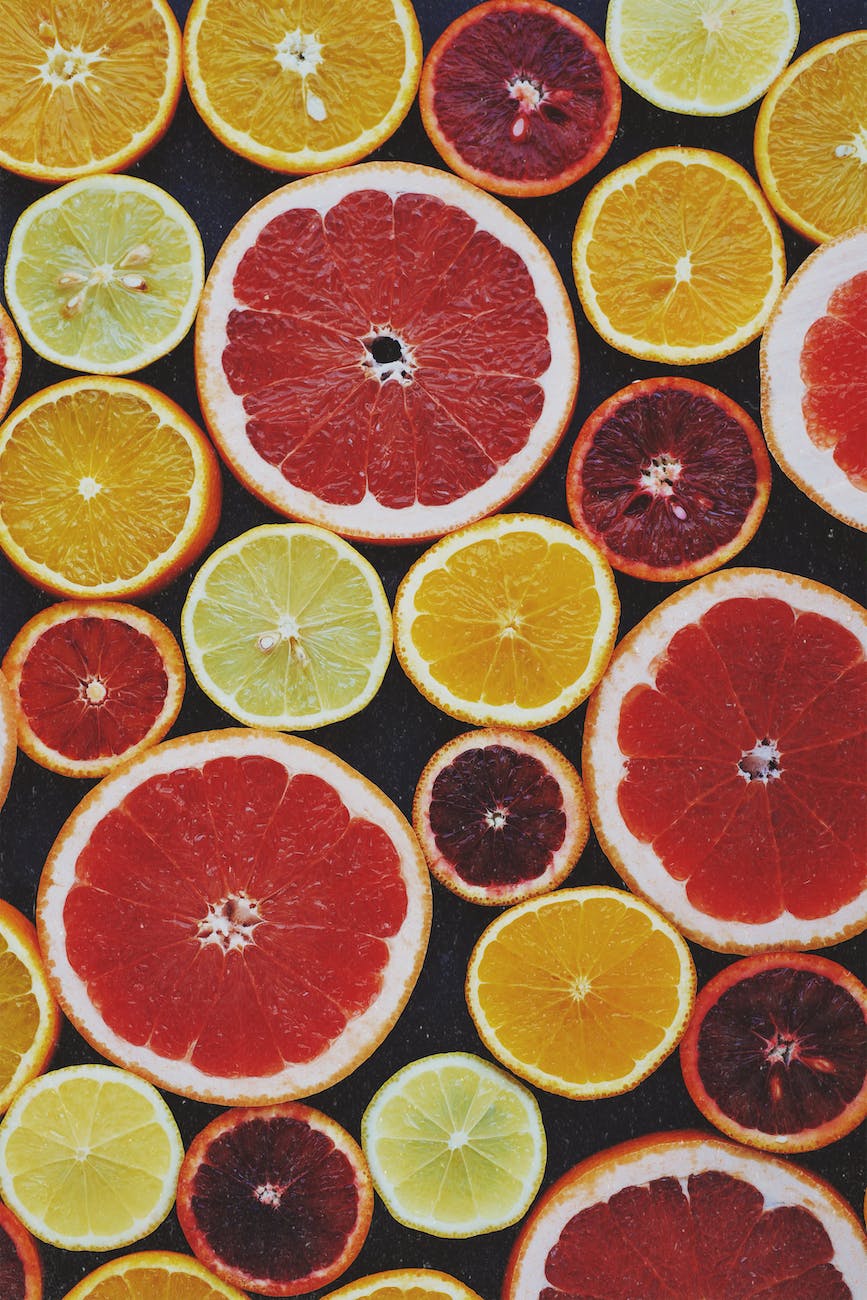
By incorporating these fresh and delicious ingredients into your meals, you’ll enjoy their taste and all the nutritional benefits each one has to offer, like spinach. It’s packed with iron, magnesium, and vitamins A and C. I like to sneak it into smoothies I make for my family for added nutrients. In season produce is typically picked at the peak of its ripeness and has had more time to develop its nutrients, making them more nutritious overall.
Save Money Eating In Season
Eating in season benefits not only our bodies and the earth but our wallets as well.
Lower prices: When you buy fruits and vegetables that are in season, you’re likely to find them at lower prices. This is because the supply is high, and farmers can spend less money transporting them from other parts of the world. As a result, grocery stores and farmer’s markets can often offer them at a lower cost.
Reduced transportation costs: In-season fruits and vegetables are usually grown locally, so it doesn’t have to travel as far to reach your plate. This reduces the transportation costs associated with importing food from other parts of the world. The less distance the food has to travel, the less fuel is needed to transport it, which also contributes to you saving money.
Longer shelf life: When you buy fruits and vegetables that are in season, they’re likely to be fresher and have a longer shelf life than those that are out of season. This means you’ll be able to use them for a longer period, reducing waste and saving you money in the long run.
Food to Be Cautious of The Dirty Dozen For 2023
I know it can be hard to imagine fresh fruits or vegetables being a food group to be cautious of, However, when shopping for produce, it’s important to be mindful of the potential for pesticide residues. The Environmental Working Group (EWG) releases an annual “Dirty Dozen” list, ranking the fruits and vegetables most likely to be contaminated with pesticides.
For 2023, the Dirty Dozen includes:
- Strawberries
- Spinach
- Kale
- Peaches
- Pears
- Nectarines
- Apples
- Grapes
- Bell and hot peppers
- Cherries
- Blueberries
- Green beans
To reduce exposure to these pesticides, consider buying organic versions of these fruits and vegetables or washing them thoroughly before eating.
Get to Know The Clean 15
Balance your diet with produce from the “Clean 15” list, which are fruits and vegetables less likely to be contaminated with pesticides.
The Clean 15 for 2023 are:
- Avocado
- Sweet corn
- Pineapple
- Mango
- Sweet peas
- Kiwi
- Onions
- Asparagus
- Honeydew
- Cabbage
- Mushrooms
- Sweet potatoes
- Watermelon
- Carrots
- Papaya
Eating in season can be a cost-effective way to enjoy fresh, nutritious produce while supporting local farmers and reducing your carbon footprint. By being mindful of the Dirty Dozen and Clean 15 lists, you can reduce exposure to harmful pesticides while still enjoying the many health benefits of a plant-based diet.
Tis the season for visiting your local farmer’s market (or grocery store) to embrace the flavors of Spring! I’d love for you to share your favorite springtime recipes with me below.
 the home sustainable