We did a thing.
We are so excited to announce we are pregnant with our second bebe!
This is boy number two. And, while there was a moment of hoping for a girl, I couldn’t be happier to be an official all-in ‘boy mom.’ I am in deep! Let’s do this!
One could say our toddler is less than enthusiastic. But, I have no doubt he will come around in time. When we told him he furrowed his eyebrows, thought for a moment, and said, ‘no baby.’ At least now he asks me to kiss the baby in his belly mirroring what we do with my belly. Anyone have some tips on how to best land this plane?
The second one is hitting so different for me. I remember the anxiety and overwhelm of feeling like I needed everything and needed to be prepared for everything. I watched all the YouTube videos and went down many a rabbit hole.
Experience has taught me to keep it simple and focus on the first few months. They eat, they sleep, and they poop. Rinse and repeat (literally). Today we are going to cover eating and baby feeding essentials. Get excited, this will be a series of posts to help you prep for baby, the sustainable way.
You can explore my eco-friendly newborn Amazon list here. I love supporting local businesses and small businesses but an Amazon registry makes it easy for family and friends.
Here are the things I really used the first time around, what’s on my eco-friendly baby list for baby #2, and sustainable options for feeding your newborn. Behold my baby feeding essentials! (and my list of what you don’t need at the end)
Baby Feeding Essentials for Feeding Your Newborn
Let’s just start by saying what’s best for you and your baby is best for you and your baby. Whether you choose to breastfeed or use formulas, both ways are the right way and your little one will thank you for choosing what’s in their best interest.
Sometimes the decision is made for you. We ended up mostly formula feeding our first baby. He was born at 33 weeks and was in the NICU for 26 days. Thankfully, he was healthy and just needed to feed and grow.

I was pumping and it was hard. There was already enough stress, I wasn’t prepared for delivering early and almost a month in the NICU. I wasn’t producing a ton and knew the best thing for me and my baby was to make the switch to formula.
Even with best laid plans, I recommend everyone have a few bottles on hand for feeding, either formula or pumped breastmilk.
Bottles
The most eco-conscious bottles are made from non-toxic materials like glass or even stainless steel. Look for nipples made from natural rubber or food-grade silicone.
But, let’s be honest. Ya gotta do what ya gotta do. Our baby was colicky so we went with these Avent bottles. We used them as long as possible and then passed them along to a friend. Reuse- also an eco-friendly option. I didn’t know what I didn’t know at the time. Now I would opt for something like these glass Tommy Tippy 3-in-1 that grow with you into food storage and an open cup.
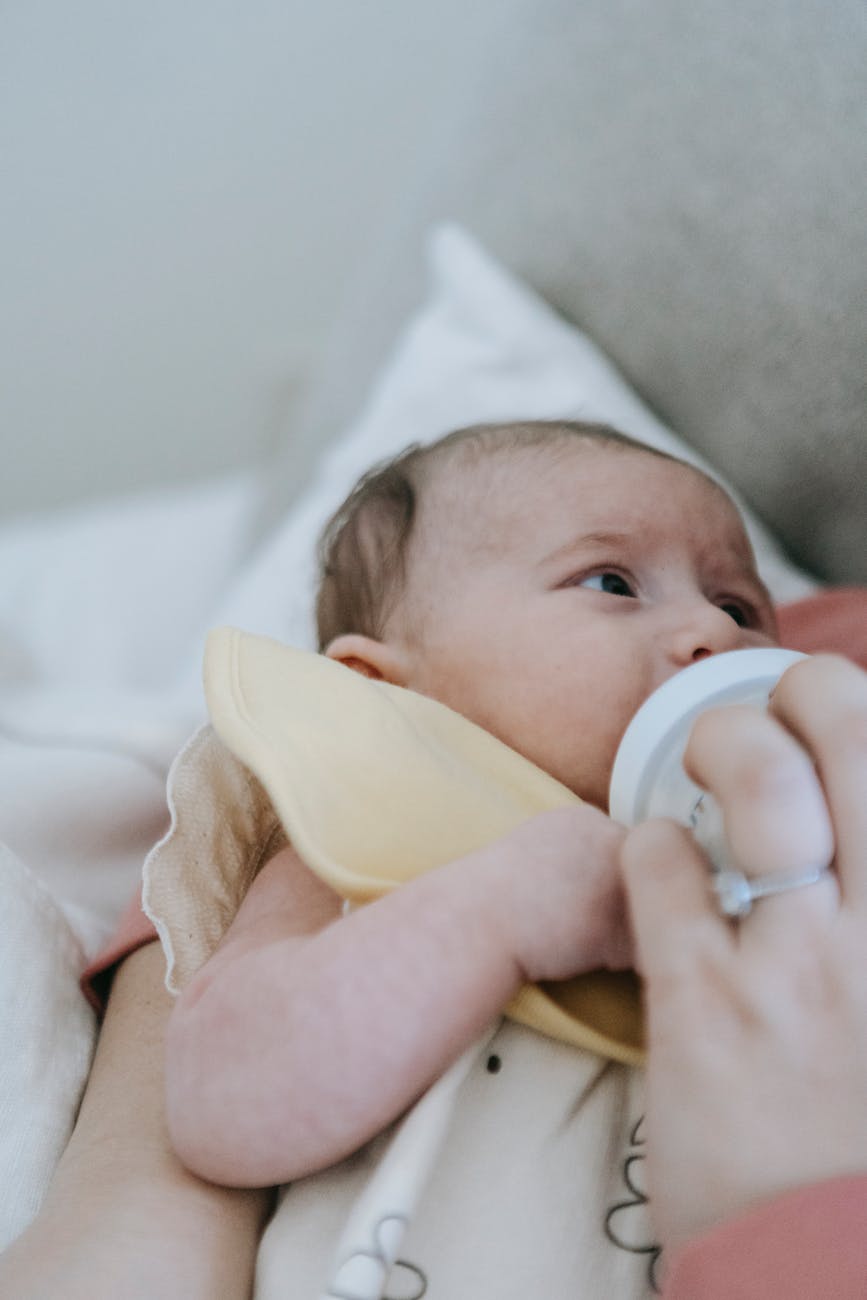
Babylist has a ‘bottle box,’ which I think is a good idea too. Babies can be finicky and you just never know what will work for them. This bottle box gives you 5 different bottle options to try out and see what works best for your baby.
We washed a lot by hand so I do recommend the infamous Boon Grass drying rack (or any similar countertop drying rack).
And to really get things sanitized, these sanitation bags are a must.
Formula
When choosing a formula look for the USDA Organic seal. This will ensure that at least 70% of the formula is derived from organic ingredients.
With my first we used a European formula, HIPP. We ordered online which worked but you did have to be on top of ordering to account for any shipping delays.
I am happy to share, there is a US brand, Bobbie, that is really hitting the mark on upping the quality of ingredients. My plan is to try and do some breast feeding this next time around but I will have some Bobbie on hand.
Breastfeeding
On the breastfeeding front- this one is a bit personal preference but it is worth considering a pillow like My Brest Friend. It gets superior reviews to the Boppy because of the waistband securing the pillow to your body. It also has a washable cover that’s organic cotton.
Common eco-conscious fabrics to look for are organic cotton, recycled cotton, organic linen or bamboo linen.
People also swear by the haakaa. I didn’t personally use it because of my personal journey and not doing much breastfeeding. But, for those who do, they say the haakaa is a must for catching breast milk let down. Literally liquid gold.
Burp Cloths
Burp cloths are the real MVPs and great to have on hand. My first didn’t spit-up much but I still love being able to grab a burp cloth to wipe up a spill or runny nose, they do it all. These Burt’s Bees were my favorite and are made from organic cotton.
Any organic cotton burp cloth is good for the environment, soft on your baby’s skin, and absorbent.
Items You Really Don’t Need To Buy For Feeding Your Baby
To each their own but here are a few things you can skip to save energy and reduce waste while saving space and money.
- Bottle warmer
- Formula dispenser
- Disposable nursing pads (opt for washable ones instead)
- Disposable breast milk storage bags (source reusable ones like these)
- A nursing cover. Again, you never know what will happen and you might not use it. If you find yourself out and about a lot, it might be your thing but think about it. Also, in a next post I will recommend muslin swaddles which can serve as a nursing cover! Multi-purpose win
- Other ‘fancy’ bottle and feeding accessories. I find they rarely get used and just take up space and budget
Over time you will want a highchair, those cool spoons that change color to show the food is too hot and the like. But, you don’t need any of these things for a bit, so don’t stress.
Mom’s have been mom-ing for centuries. I share these guidelines and products as a helpful resource but trust your instincts, lean into your support systems and you can’t go wrong.
Share your baby feeding essentials and number one must-have baby-registry item in the comments below.
 the home sustainable