Tis’ the season of giving thanks! I am thankful for you and your zest for sustainable swaps in your home. Today I want to talk about another swap that packs a big punch- composting!
We talked about the importance of reducing food waste in our Home Tours Kitchen post …. now let’s unearth the dirty work, composting!
As we cuddle close and gather those we care about into our home around good food and even better drinks, there’s sure to be leftovers.
IMHO holiday leftovers are some of the best. But as good as they are, they also come with lots of waste. And it’s like goooooood waste. Carrots, celery, and sweet potatoes are gold to compost and turn back into nutrient-rich soil for new growth.
While there are several ways to be intentional with meal planning and freezing meals to reduce your food waste, inevitably, we will have things left over. So let’s dig into all the stink, stank, stunk parts of composting.
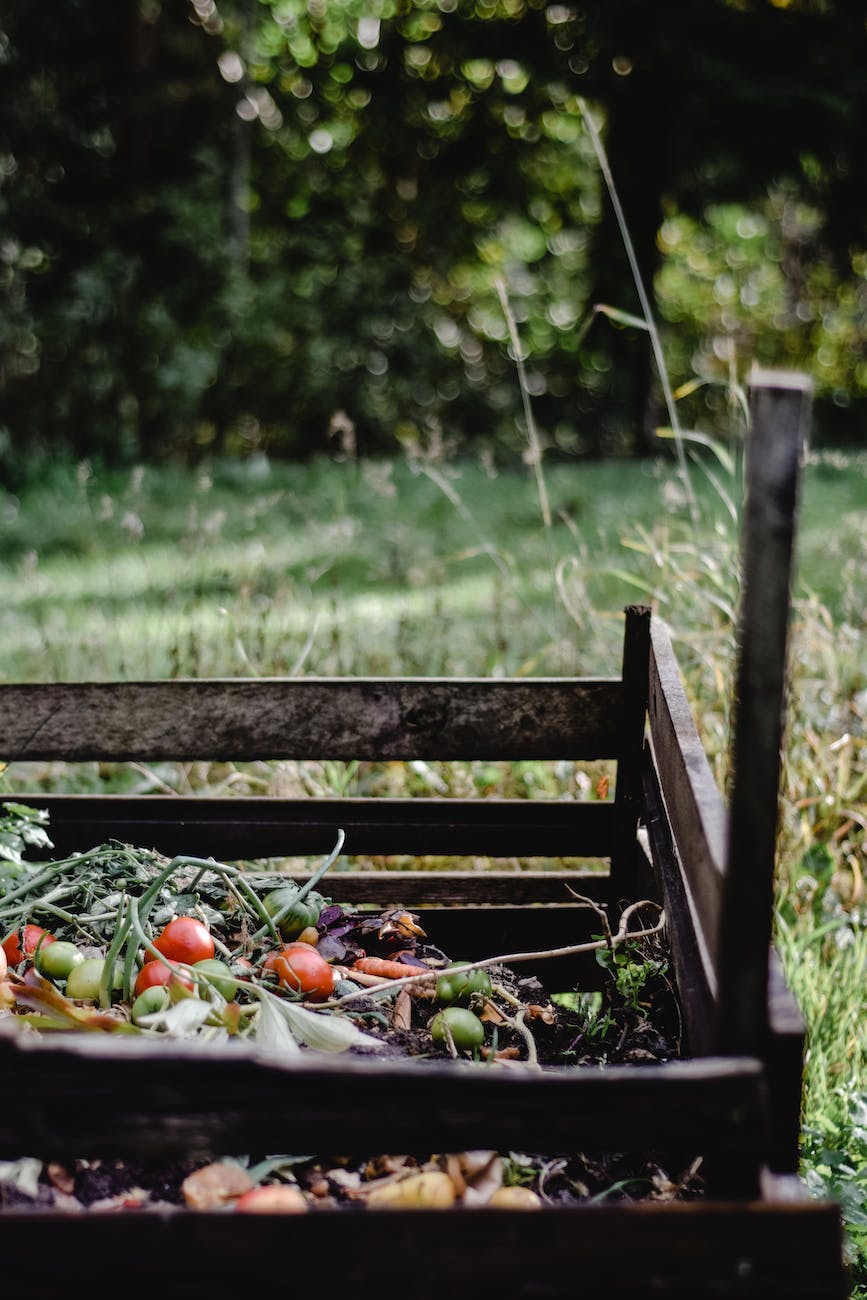
Why is Composting Important?
When food breaks down in the landfill, it is covered and lacks oxygen as part of the decomposition process. As a result, it releases methane which is a more potent greenhouse gas than carbon dioxide. Yikes!
What Can I Compost?
Simply put, anything that comes from the earth. Think fruits, veggies, coffee grounds, filters (paper!), leaves, and cut flowers. You can also include eggshells.
You can compost carbs like pasta and bread- but this depends on HOW you compost.
How Can I Compost?
There are several ways to compost, it’s most important to figure out what is most sustainable for you, your lifestyle, and your space.
1. Check Your Local Greens Waste Collection
This is the absolute easiest way to compost! You can put your compost-type waste in your local green bin collection. This option may only be available in some places, but if it is an option where you live-take advantage of it. Composting was so easy when we lived in Boise, ID, and I know CA is making a push in this direction.
Research a composting collection service in your area. Many areas have a service that will take care of your food waste for you for a small fee. All you have to do is collect your food waste. A quick google search will let you know if there’s something in your area.
Snap an aesthetically pleasing countertop bin like this one [LINK TO PRODUCT] to make it accessible and super simple.
2. Explore Your Local Farmers Market
Some Farmers Markets will have a compost collection as they did when we lived in Washington, DC. Collect food waste in green compostable bags on your countertop collector, then freeze bags until drop-off time. No smell. Simple steps. And good motivation to head to your farmers market and shop local.
3. DIY Composting
This is for the ones that like to get their hands a little dirty. There are a few options. Pile waste with leaves and yard waste in a black bin or backyard. Keep adding food waste to the bin or pile and turn with a shovel or turn the black bin (which adds oxygen to the process). Avoid carbs to deter mice and critters.
If you have a smaller backyard, the black bin is perfect. If you live on a space of land and can put the compost pile away from your home, the pile option is pretty darn simple and low cost.
While this is a simple way to make your own nutrient-rich soil, this process takes months and months. Food decomposes naturally, which takes a while, so this is not a quick turn.
Another option for small spaces is the ‘Bokashi’ method which utilizes fermentation. This process can be very compact and efficient for those looking to dip their toe in things.
DIY Quick Composting Tips and Tricks
- Use a black bin. I purchased this black bin. It works well and took about one hour for two adults to assemble. Turn every 3-4 days to distribute oxygen evenly. Consider using a compost starter or accelerator to aid the process.
- This Bokashi utilizes fermentation to speed the decomposition process. I have yet to try this method, but you can have fresh compost to use within a month. And this system is compact and can be done inside if you don’t have backyard space.
- Add water as needed. If your organic material is having difficulty breaking down, it may be too dry. Add water or moisture-rich foods. Compost too soggy? Add some carbon-rich items like coffee filters or tea bags to balance things.
This is a lifestyle the entire family can contribute to. It’s fun for little hands and minds to get a little dirt under their nails and learn about our food system.
Have you tried composting? What other questions do you have about getting started?
 the home sustainable
One thought on “Every Dirty Detail on Composting to Reduce Food Waste”